
The Big Five: Legends of the African Wild
The Big Five are not simply wildlife sightings. They are icons of power, grace, survival, and presence. To witness them in the wild is to understand why safari is not just travel — it is transformation. Originally named by big-game hunters for being the most difficult animals to hunt on foot, today the Big Five represent something entirely different: conservation, respect, and the privilege of observation.
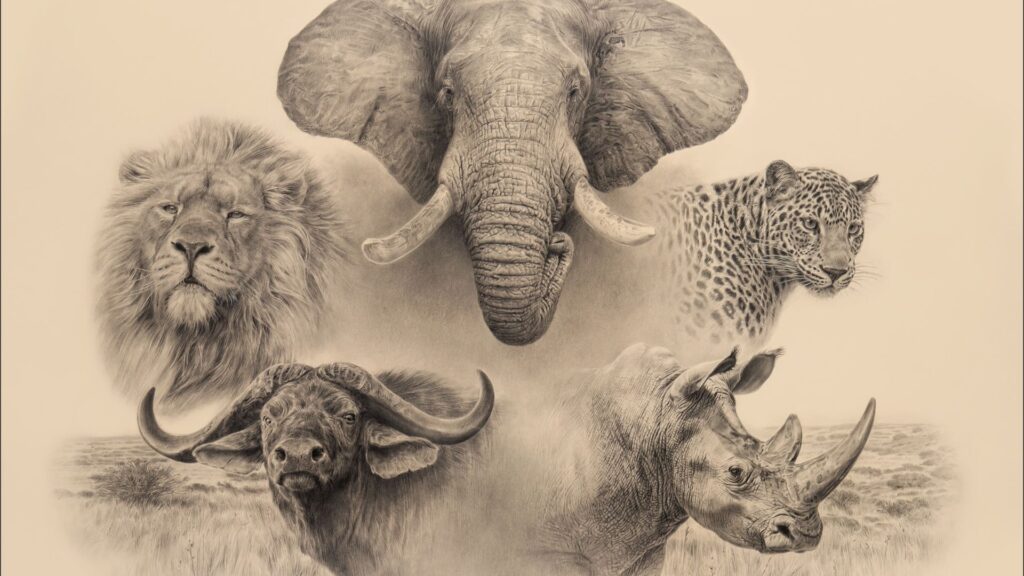
Discover the Big Five in Action
Let us meet them properly.



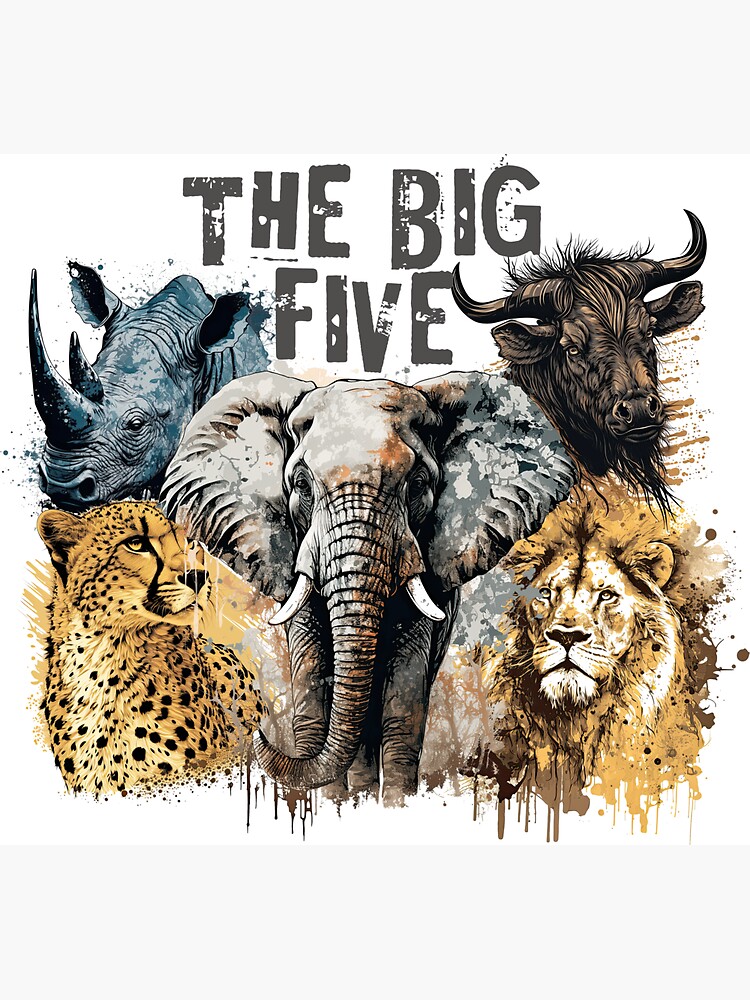
Who are the Big Five?
The term “Big Five” goes back to the colonial days of game hunters and the difficulty of pursuing on foot and ultimately killing these beautiful animals.
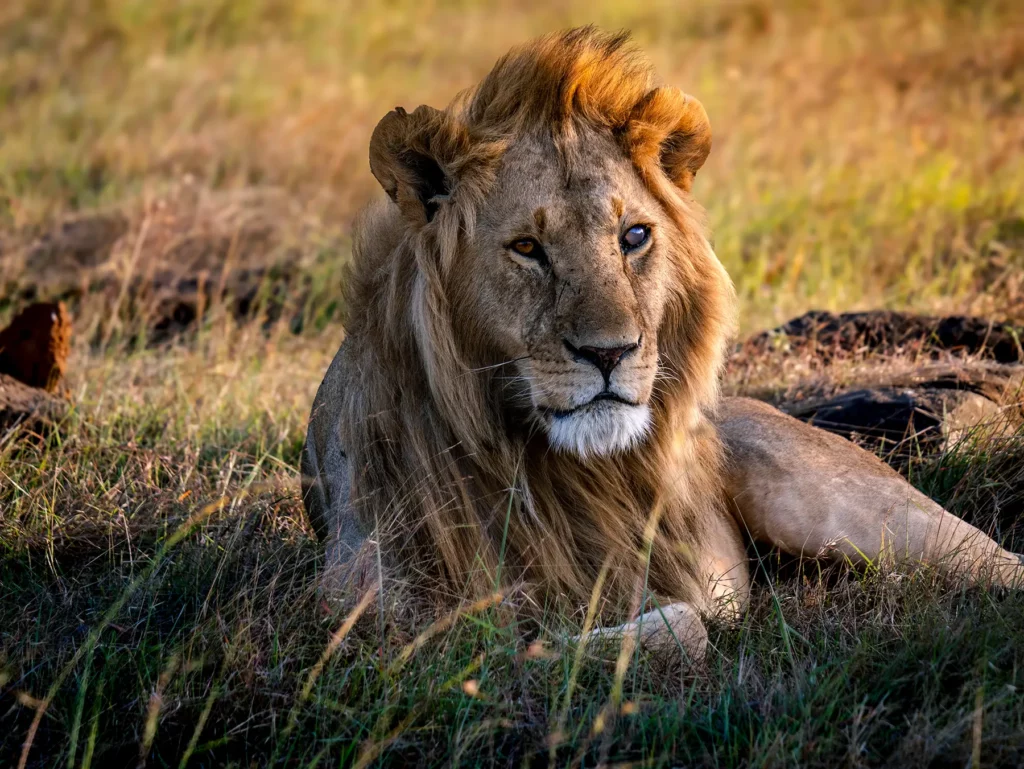
The Lion — The Sovereign of the Savannah
The lion does not rush. He walks with the confidence of a king who knows he is feared and admired in equal measure. In places like the Maasai Mara, prides can often be seen resting beneath acacia trees, conserving energy for the hunt. It is the lioness, however, who embodies strategy and precision. Watch her closely and you’ll see intelligence in motion. To hear a lion roar at dusk is to feel the wild claim the night.
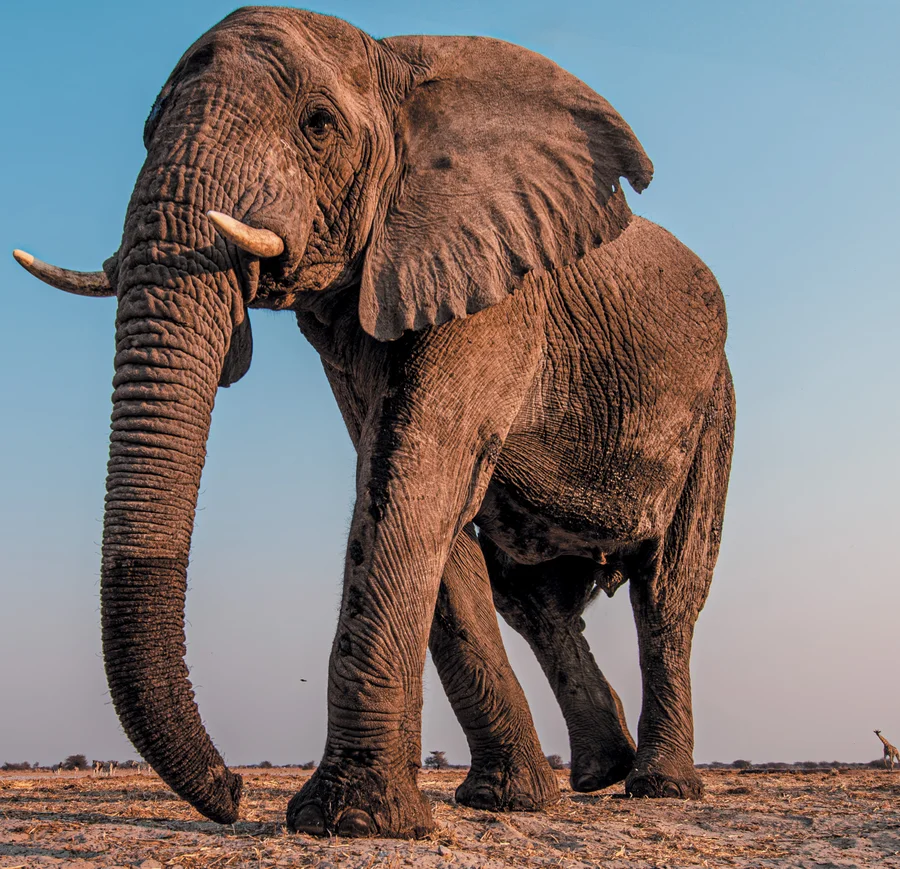
The Elephant — The Gentle Giant
In the plains of Amboseli National Park, elephants move like ancient memory. Matriarchs lead their families with quiet authority. Calves play beneath protective shadows. Their intelligence is undeniable — they grieve, they remember, they protect. Standing meters away from an elephant is humbling. You do not feel small in fear. You feel small in awe.
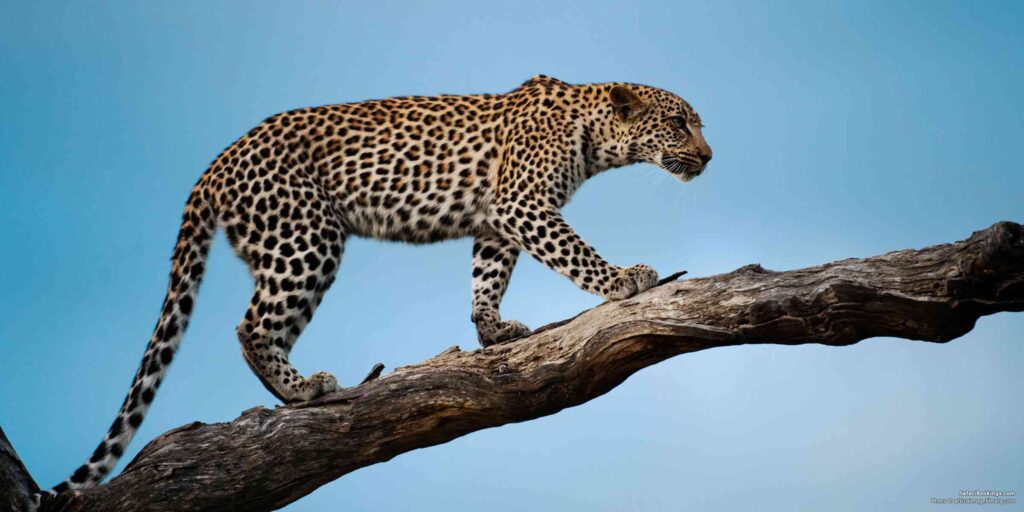
The Leopard — The Elusive Phantom
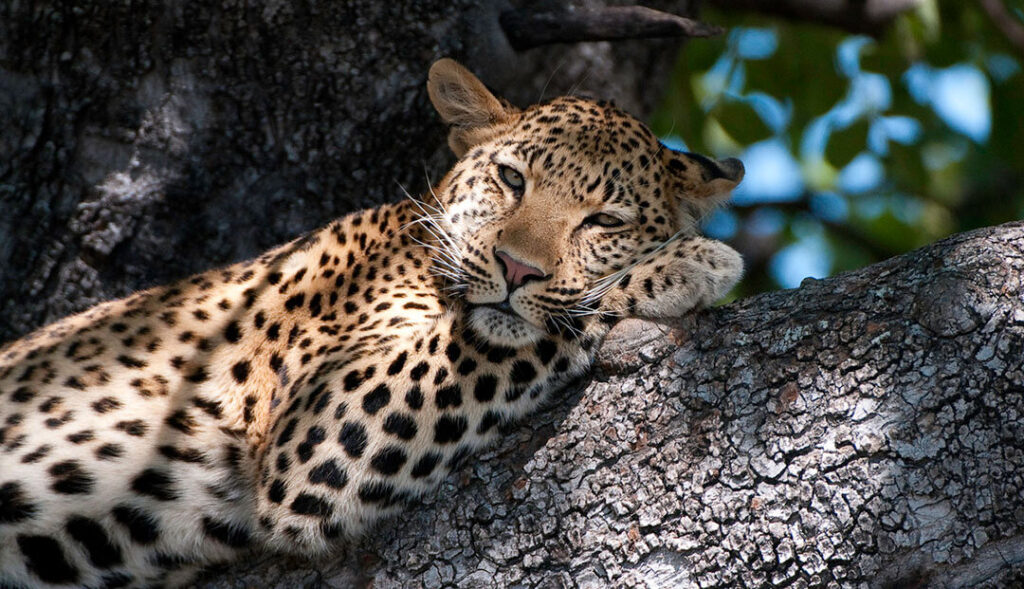
The leopard does not announce itself. It appears suddenly — draped across a tree branch, golden coat blending seamlessly into dappled light. In reserves like Samburu National Reserve, spotting one feels like winning a quiet lottery. Solitary. Strategic. Hypnotic. The leopard is safari’s rarest whisper.
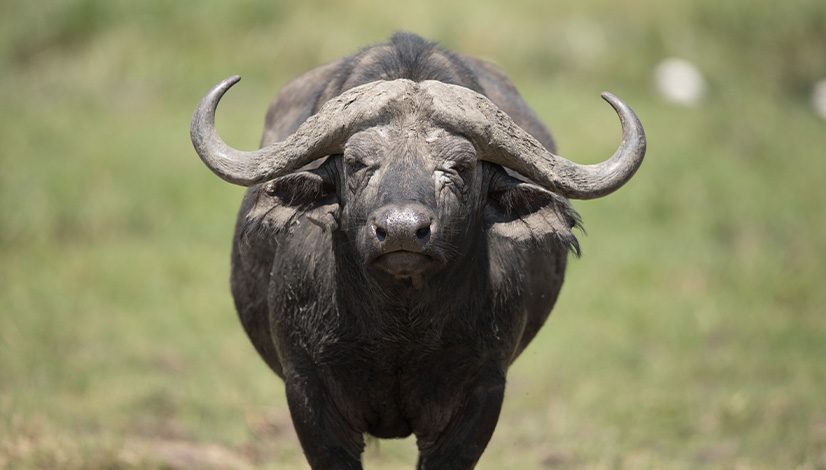
The Buffalo — The Unpredictable Force
Do not mistake stillness for gentleness. The African buffalo is among the most dangerous of the Big Five. Often seen in massive herds across the Mara plains, they move like a united front — protective, alert, and formidable. There is raw power in their presence
The Rhino — The Ancient Survivor
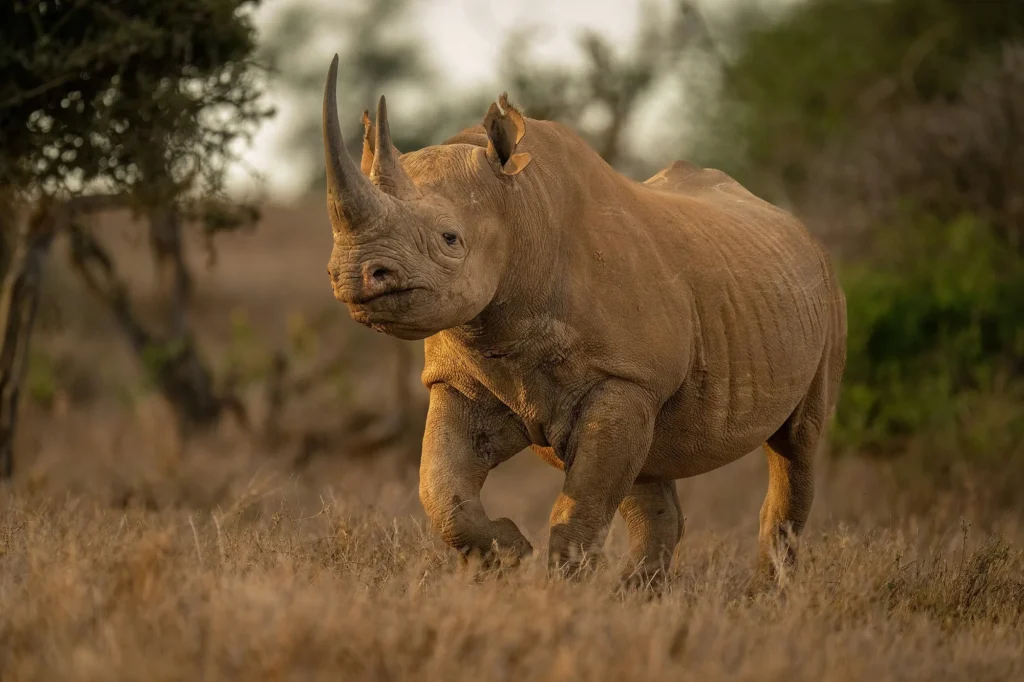
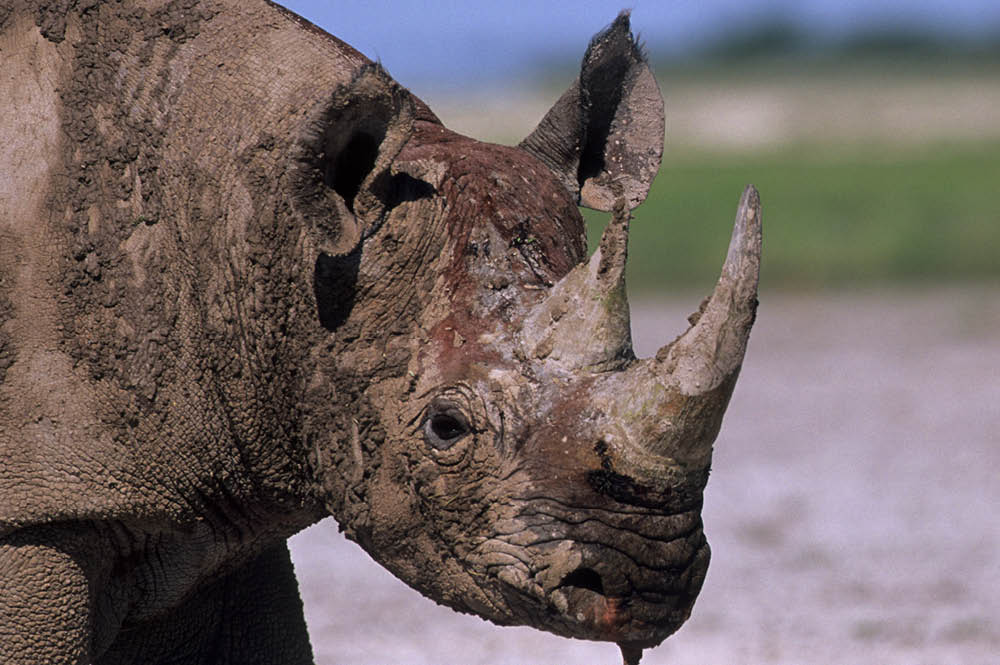
The rhino feels prehistoric — like something borrowed from another age. In conservancies such as Ol Pejeta Conservancy, conservation efforts are fiercely dedicated to protecting these magnificent creatures from poaching. To see a rhino in the wild is not just exciting — it is emotional. It is witnessing resilience.
Why the Big Five Still Matter
The Big Five are not trophies. They are ambassadors of Africa’s ecological balance.
Each plays a vital role:
- Lions regulate herbivore populations.
- Elephants shape landscapes.
- Leopards maintain prey balance.
- Buffalo influence grazing systems.
- Rhinos contribute to biodiversity.
When you search for the Big Five on safari, you are not chasing status ; you are participating in conservation tourism that supports protection and preservation.